Last week, we explored the clinical diagnostic required to find the “Ask Behind the Ask.” Once you unmask the true business problem, your biggest challenge shifts from discovery to persuasion. Yet even the most rigorous analysis often fails to ignite action because of poor structure, rather than insufficient insight.
When the analysis is complete, many analysts fall into the linear trap by delivering a chronological narrative that mirrors their own investigative journey: what they did, what they found, and finally, what it means. Think of the last presentation you made: did your recommendations come at the end? I suspect they did (after you discussed the data you collected and the conclusions you drew). This self-centric approach forces the audience to perform the mental labor of finding the point to your story rather than focusing on the strategic decision they must make.
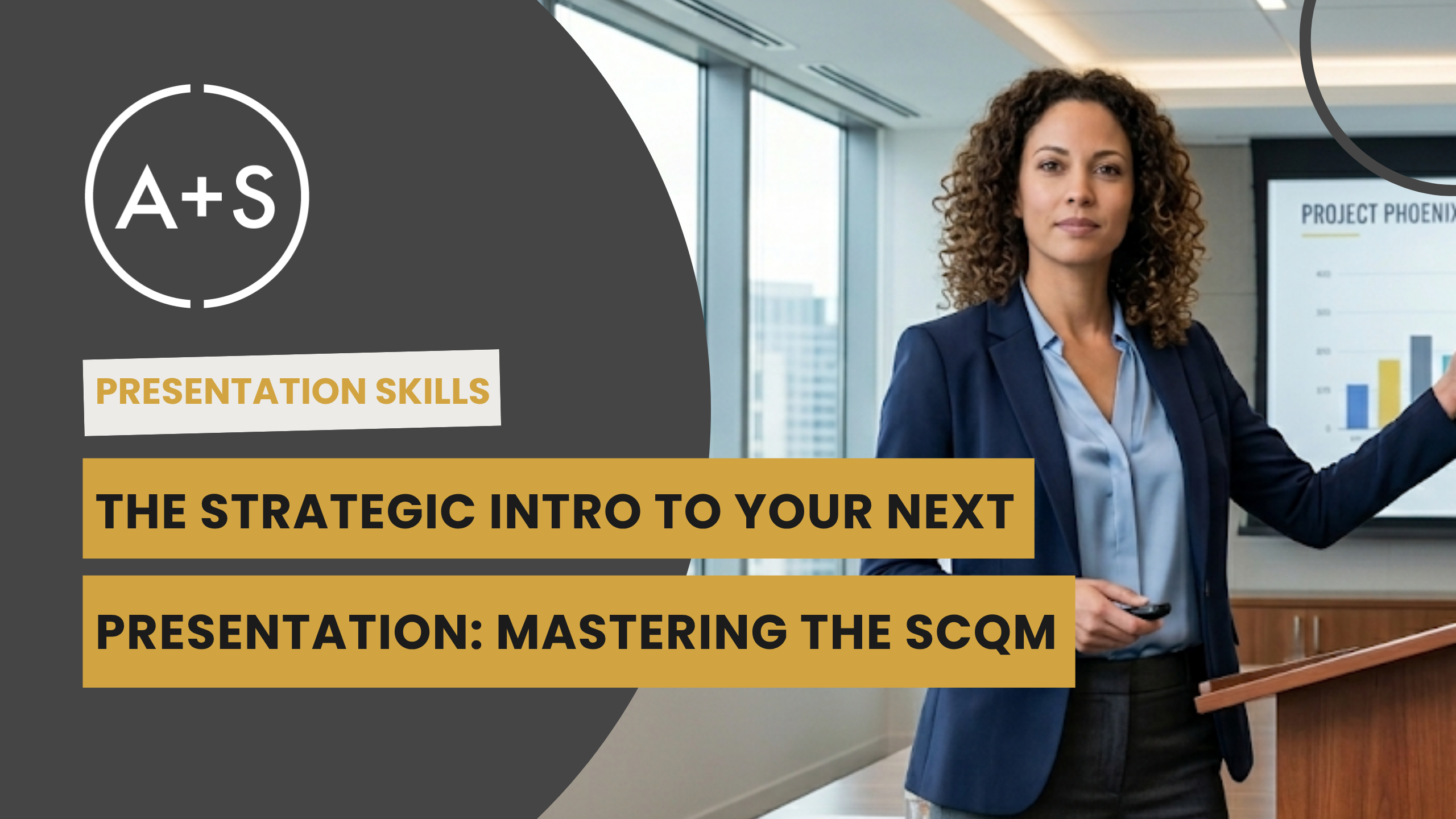
To avoid this trap, we look to the work of Barbara Minto. In her book, The Pyramid Principle: Logic in Writing and Thinking, Minto outlines a methodology that respects the audience by delivering the main message right upfront. Her SCQM framework ensures that a presentation does not just report facts, but instead adjusts the flow of information to meet the specific cognitive needs of the stakeholders.
The Minto Legacy: Logic in Writing and Thinking
As the pioneering first female consultant at McKinsey & Company, Barbara Minto recognized that clear writing is the byproduct of clear thinking. In her seminal book, she introduced a system that has become the gold standard for high-level professional communication. Minto’s core insight was that the human mind naturally seeks to group information into a hierarchical structure.
Her methodology provides a way to compress a long, winding story into a strategic nutshell. By providing a well-framed conclusion out of the gate, you respect the cognitive limits of your audience and allow them to process supporting evidence through the lens of your solution. This approach transcends linear stories that force the analyst’s perspective on the audience.
The Narrative Engine: SCQM
The most effective tool for this transition is the SCQM framework (Situation, Complication, Question, and Main Message). This framework features a natural story arc designed specifically for the business world. It moves away from “what I did” and delivers “what you must do.” The SCQM operates through 4 distinct, highly calibrated elements:
- The Situation: You must begin with an uncontroversial statement of fact that your audience already understands and accepts as true. This establishes a “safe” foundation. By starting with the known, you remove friction and signal a clinical grasp of the current business reality.
- The Complication: Once the foundation is set, you introduce the disruption. This is the specific change, tension, or friction that threatens the status quo and makes the current situation unsustainable. The complication is the catalyst that proves why doing nothing is no longer an option.
- The Question: The interaction between the situation and the complication triggers an implied question in the minds of your stakeholders (such as “How do we regain market share?” or “What is our path to growth?”). This is the logical bridge that demands an answer.
- The Main Message: Finally, you deliver your expert answer. This is the clinical solution that resolves the tension and points toward a strategic resolution (the action they must take or the recommendation they should adopt). This is the conclusion that the rest of your work exists to support.
From Reporting to Strategy
Instead of waiting until the end to share what you have discovered, start with the most important information. By leading with your conclusion, you turn a report about what happened in the past into a guide for what should happen in the future. As an analyst, your real value lies in your ability to take a complicated set of facts and turn them into a clear, useful truth. This framework ensures that the most valuable part of your work is presented clearly enough for others to act on it.
Theory to Practice
To apply the SCQM framework to your current projects this week, perform these 4 tactical audits on your next presentation:
- Verify the Situation: Review your opening statement. Is it truly uncontroversial? If a stakeholder can disagree with your starting point, you have failed to establish a shared foundation.
- Isolate the Complication: Pinpoint the exact tension compelling action. Vague complications fail to create the urgency required to move forward.
- Audit the Logical Arc: Read the situation and complication together. Do they naturally lead to the implied question your analysis is answering? Forced transitions signal flawed narrative logic.
- Lead with the Message: Ensure your main message appears at the very beginning of your document or presentation. Do not force your audience to sit through 40,000 words of investigative process before giving them the answer.
Stop forcing your audience to perform the mental labor of finding your point. Lead with the truth, ignite action, and ensure your analysis is never ignored.
Until next week, Keep Analyzing!