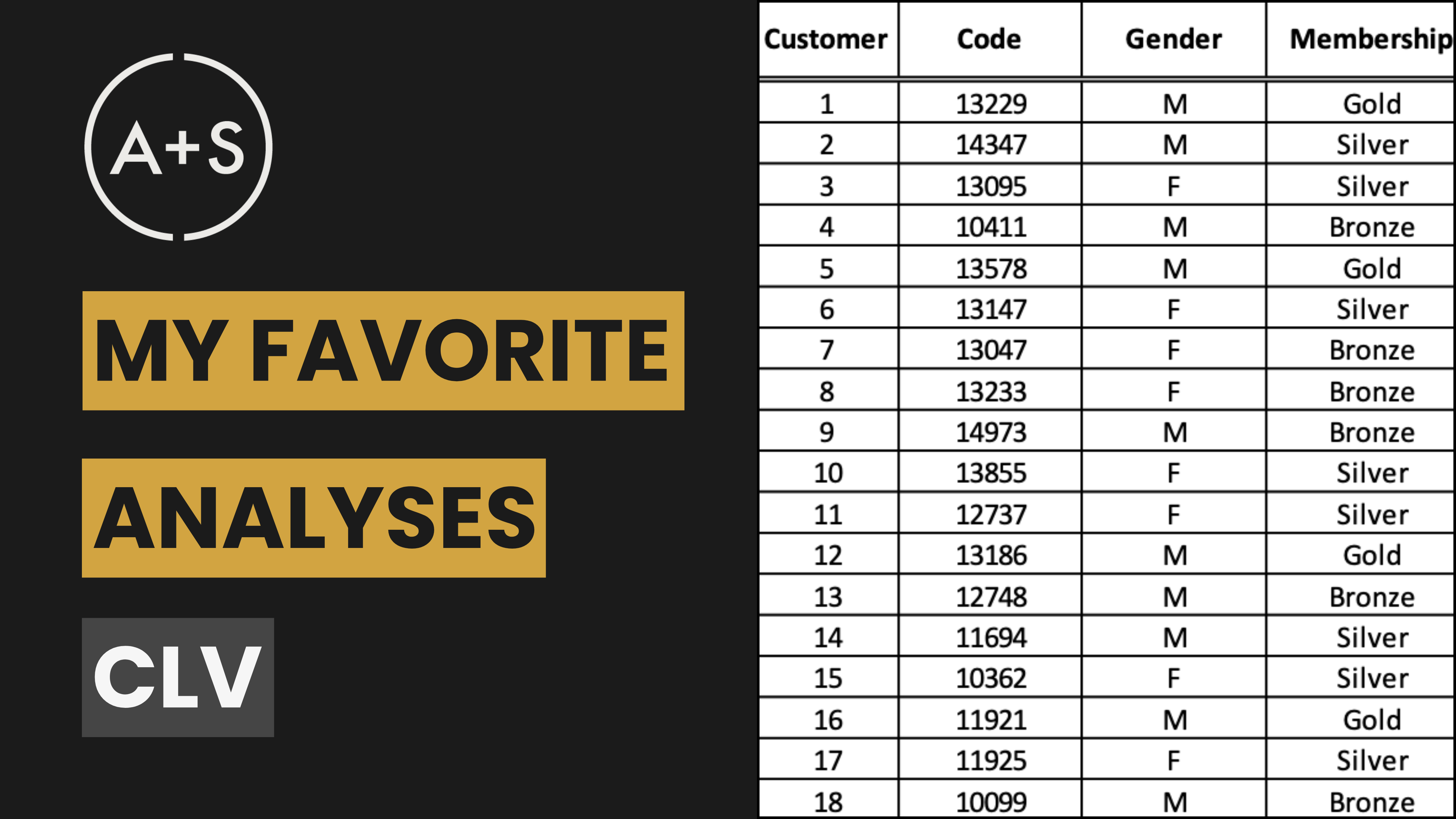
It is time we talked about your approach to segmentation.
As you doubtless know, segmentation is the foundational tool for dividing a complex market into manageable, actionable groups. It is intended to serve as a strategic roadmap for defining customer value and allocating corporate resources. Most organizations treat segmentation as a purely descriptive, static exercise, sorting accounts, clients, or consumers by basic demographic or firmographic details. These data are abundant, readily accessible, easy to manage, and inexpensive.
This traditional approach yields massive data decks and consumer personas with clever names, yet operational strategies that lack true impact. Instead of driving change, it produces static strategies that leave businesses building products and campaigns for who their customers were, not who they are or are becoming.
To build a responsive business strategy, organizations must implement a flexible solution built on active behavioral metrics.
The Pitfalls of Static Metrics
When your team targets based on specific age brackets or revenue tiers, you force distinct individuals into bland categories under the false assumption that identical characteristics equal identical desires. This approach fails to uncover what makes a consumer tick. You cannot design benefits that connect with them functionally, emotionally, or in a way that expresses their unique individuality.
When a company locks its segmentation into rigid demographic brackets, it ignores real-time market dynamics. This mismatch creates an illusion of strategy but actually reduces operational efficiency, forcing teams to apply identical tactics to potential buyers with entirely different needs, preferences, and considerations.
The Adaptability of the 2×2 Behavioral Matrix
Customer preferences, perceptions, and attitudes evolve constantly, and this evolution manifests directly as active behaviors. Therefore, to escape this trap and maximize organizational speed, you must shift your focus toward a flexible 2×2 matrix built on active behavioral metrics. This framework acts as a highly adaptive model that provides visual clarity and execution paths across your business. Structuring your reasoning through hierarchical visual frameworks prevents the cognitive overload that often accompanies dense text.
Instead of locking your strategy into rigid buckets, you select two load-bearing variables that reflect real-time engagement or operational friction. For instance, you might track variables like deal velocity paired with touchpoint volume. Mapping your specific data across two balanced axes establishes clean visual fences that eliminate the noise of massive data decks. This structural clarity allows leadership to see exactly where value is concentrated and where capacity is being wasted, transforming segmentation into an operational engine.
Theory to Practice
To transform your market execution and apply this flexible behavioral approach this week, perform this 4-point audit:
- Evaluate current data filters: Review your customer databases to see if your current segmentation buckets rely on static traits like age or geography instead of active behavioral metrics.
- Identify two load-bearing variables: Select two active behavioral metrics that capture operational friction or customer engagement for your specific business need, using pipeline velocity or interaction metrics as a baseline example.
- Establish a refreshing cadence: Set a routine schedule to update your behavioral data, ensuring your segments adapt as customer perceptions and attitudes manifest into new actions.
- Map data into four quadrants: Partition your dataset into a simple 2×2 matrix to create visual fences that separate high-value clients from resource-intensive accounts.
Next week, we will continue our deep dive into segmentation by exploring the mathematical framework to organize data into a clean 2×2 matrix that creates actionable segments while preventing cognitive overload.