Earlier this week, I shared a quick post on LinkedIn about a new book by my friend Nicolas Darveau-Garneau called Be a Sequoia, Not a Bonsai. The post picked up a lot of attention, but social media only lets you scratch the surface of deep business strategies. I wanted to use this newsletter to go much deeper into the core ideas of this wonderful book.
Most business leaders spend their days trying to make their marketing and operations as efficient as possible. They track daily spreadsheets and cut costs wherever they can to look lean. But here is the problem: when you focus entirely on short-term efficiency, you stunt your company’s growth. You make your business fragile and small.
To build a highly resilient business that lasts, you must shift your focus away from short-term efficiency and prioritize long-term profitable growth. In the book, Nick distills his experience advising more than 1,000 corporate leaders into seven specific growth secrets that help you do this. It is an absolute must-read if you want to stop chasing vanity metrics and build something that endures, and I highly recommend picking up a copy (or buying the audiobook if you’re like me and often find it easier to read with your ears).
Why Efficiency Can Keep Your Business Small
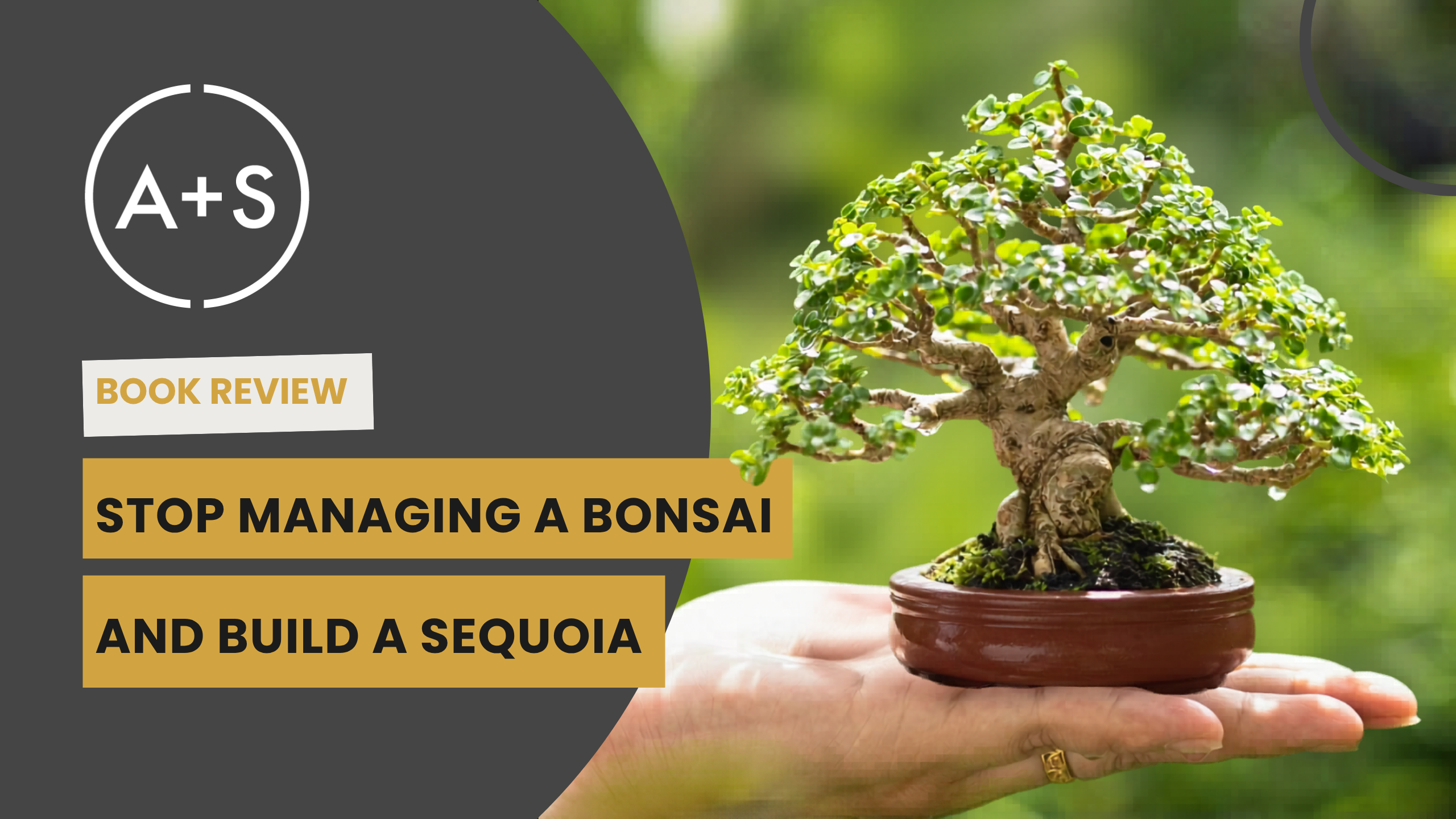
In his book, Nick uses a clear metaphor to explain this operational trap. A bonsai tree is carefully pruned and beautiful to look at, but it stays tiny because it lives in a small pot. Many marketers act like bonsai gardeners. They obsess over metrics like customer acquisition cost or return on ad spend because those numbers are easy to track on a daily basis.
While these metrics make your spreadsheets look neat, they do not help you scale. True growth requires you to stop thinking about the immediate sale and start focusing on future value. If you only optimize for the short term, your business will stay small. Enduring companies treat their businesses like sequoias, focusing on deep roots and massive, sustainable expansion.
Focus On High-Value Customers To Scale Sustainably
The fastest-growing 5% of the world’s most successful companies all share one core strategy: they use customer lifetime value as their primary metric. Instead of trying to acquire a massive volume of low-cost accounts, these businesses focus on finding and keeping the most valuable ones.
Most companies spend too much of their resources chasing new customers while completely ignoring the clients they already have. Sequoia companies take the opposite approach, focusing heavily on upselling, cross-selling, and expanding their relationships with existing buyers to earn deep profits. They understand that high-value clients rarely leave all at once; instead, they slowly drift away by placing smaller orders or becoming less active. By tracking customer lifetime value, sequoia companies create an early warning system against this silent customer loss, allowing them to protect their most profitable accounts before it is too late.
Deliver Great Experiences Instead Of Lower Prices
In the book, Nick frames premium experiences as the ultimate form of brand strategy. Compete on price alone, and you turn your business into a commodity. Bonsai companies often try to win by offering superficial discounts or lowering their margins, but Nick shares data proving that customers rarely leave a brand just because a competitor is slightly cheaper. Instead, they leave when a poor experience breaks the brand promise. In fact, 44% of buyers switch to a competitor because of a bad operational experience.
Sequoia companies build an end-to-end brand strategy around a seamless experience that rivals cannot easily duplicate. This means building a culture of continuous testing. By running simple, low-cost experiments every week, you can quickly find out what your customers actually want, adapt to their changing expectations, and outpace your rivals. Nick maps out exactly how the world’s top giants pull this off step by step.
Theory to Practice
To help you apply these principles to your own business right away, I have put together a 4-step audit. These practical exercises are designed to help you uncover hidden vulnerabilities in your current strategy, transition your metrics away from the short-term efficiency trap, and start shifting your organization toward sustainable profit.
- Audit your primary metrics: Review your team’s current dashboards. If more than 50% of your metrics focus on short-term efficiency, you are managing your company like a bonsai. Shift your goals toward long-term profit per customer segment.
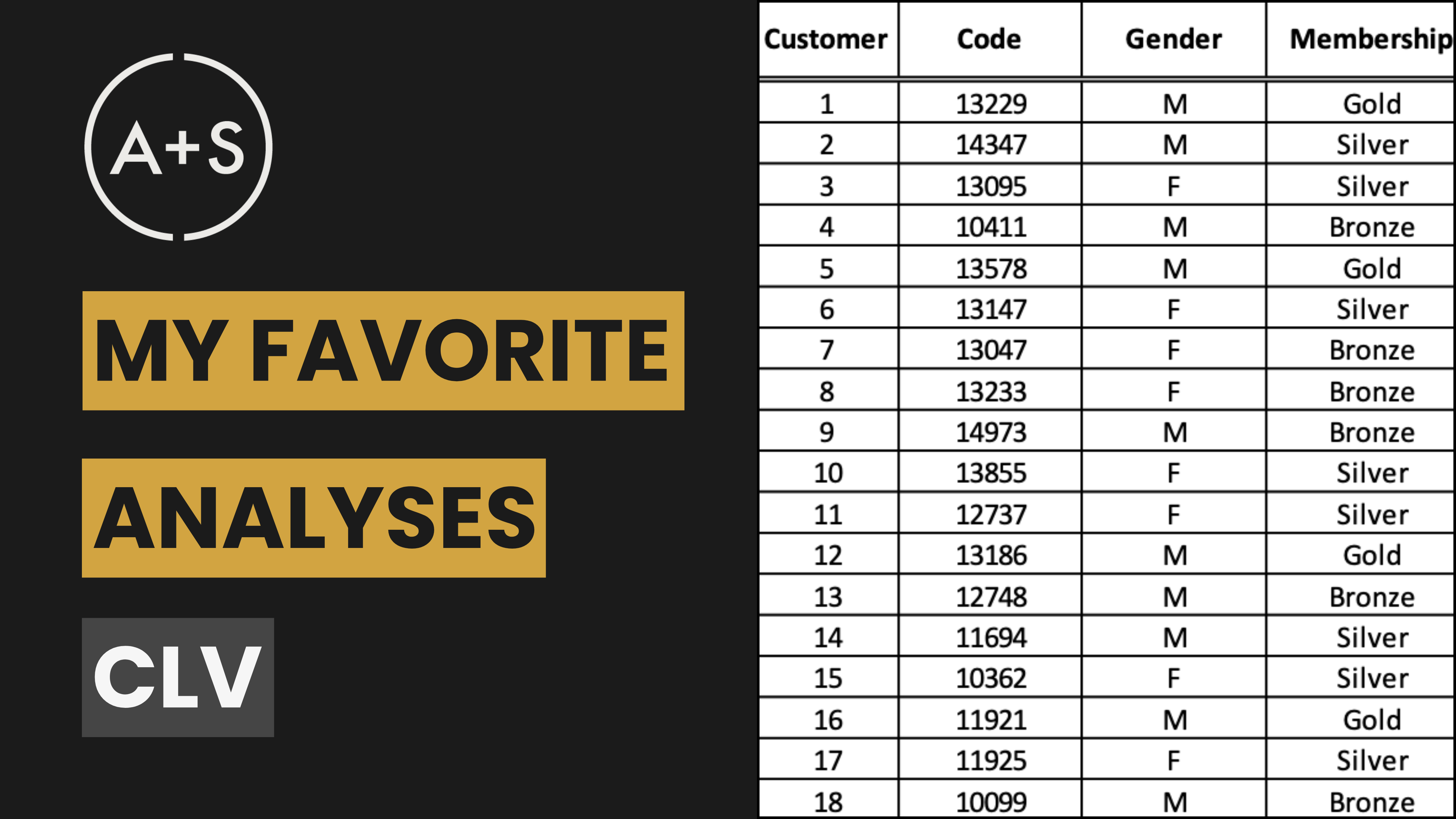
- Calculate your customer lifetime value: Do not treat all of your clients the same way. Group your accounts into different value tiers so you can identify the top 5% who drive the majority of your profits.
- Map your customer touchpoints: Analyze your historical churn data to find out where you might be losing clients silently. Pinpoint the areas where customer satisfaction drops, remembering that 44% of buyers leave due to bad service rather than pricing.
- Increase your weekly testing speed: Build a habit of rapid testing by launching simple, low-risk experiments. Measure how many new ideas, layouts, or messages your team tests each week compared to your main competitors.
While these four steps will give you a strong head start, they only cover a fraction of the strategies used by global giants. If you want deeper guidance on executing these changes and want to unlock all seven growth secrets to transform your business from a fragile bonsai into a towering sequoia, you need to read the full text.
You can grab your copy of Be a Sequoia, Not a Bonsai on Amazon.
Until next week, Keep Analyzing!